The Best Time of Year to Schedule Basement Waterproofing

A wet basement rarely starts as a dramatic event. More often, it begins with a faint musty smell in late spring, a darker line along one wall after a hard rain, or a patch of efflorescence that looks harmless until it returns month after month. By the time water shows up on the floor, the problem has usually been building for a while.
That is why timing matters so much with Basement Waterproofing. Homeowners often ask whether there is a “best” season to tackle the work, as if one answer fits every house. In practice, the right time depends on what kind of water problem you have, what repair method your basement needs, and how contractors schedule their work through the year. Still, patterns do emerge. Some seasons offer better access, faster diagnosis, and fewer delays. Others make weaknesses easier to spot, even if they are not ideal for installation itself.
If you are trying to decide when to move forward, the short answer is this: the best time to schedule Basement Waterproofing is usually late winter through early spring, or early fall, before the heaviest weather exposes your basement at the worst possible moment. That said, there are good reasons to inspect in one season and complete the work in another. The details are where the smart decisions get made.
Why timing changes the outcome
Basement water problems are tied directly to the calendar. Rainfall patterns, snowmelt, freeze-thaw cycles, summer humidity, and even contractor availability all affect what you see and how efficiently the work can be completed. A basement that seems fine in August may leak badly in March. A foundation crack that stays dry in a cold spell may open enough during a wet spring to show active seepage. Exterior excavation that is straightforward in September can become messy, slow, and expensive after weeks of saturated ground.
Timing also affects planning. The homeowner who schedules an inspection after the first warning signs usually has options. The homeowner who waits until standing water appears during a major storm often has to move quickly, work around emergency conditions, and accept a contractor’s first available opening rather than the best fit.
I have seen this play out in very ordinary homes. One family noticed a persistent damp smell every April but put off calling anyone because they never saw actual puddles. Two years later, a strong summer storm pushed water through a wall joint and soaked finished flooring, baseboards, and stored boxes. The waterproofing itself was manageable. The interior repairs and cleanup became the expensive part. That is a common pattern. The water-control work is often far cheaper than recovering from repeated moisture damage.
Early spring is often the sweet spot
For many properties, early spring is the most useful time to schedule Basement Waterproofing. Winter has revealed what cold weather and snowmelt can do, but the busiest part of the peak season has not fully arrived yet. If your region gets freeze-thaw cycles, that period often exposes foundation movement, crack activity, and drainage failures with unusual clarity.
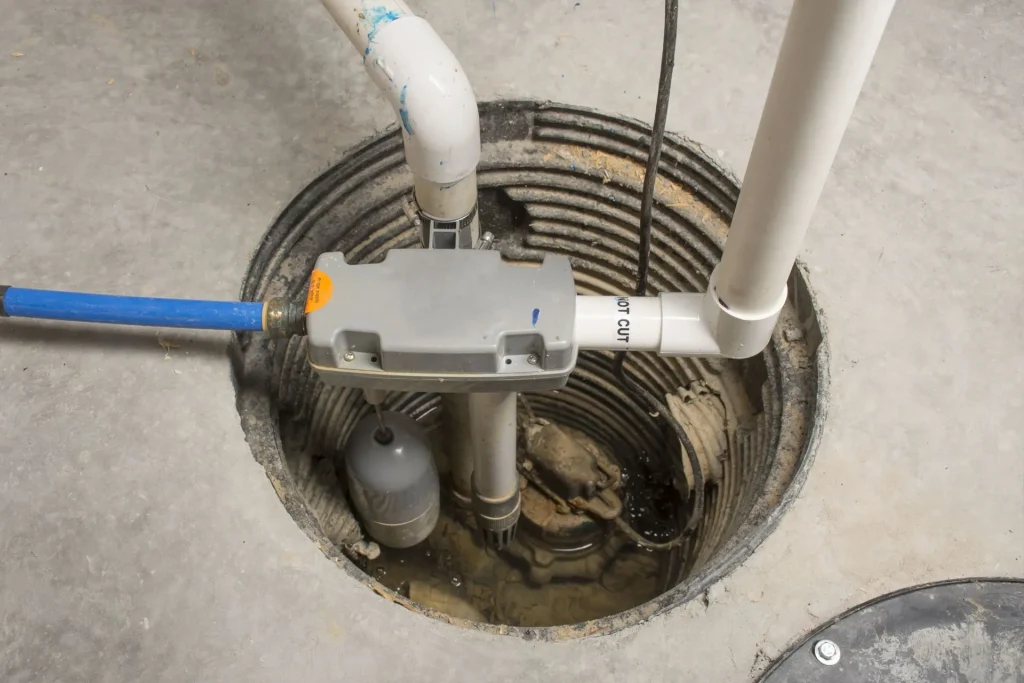
The ground is usually still wet enough to make diagnosis easier. Contractors can see whether downspouts are discharging too close to the house, whether grading is sending water toward the foundation, and whether hydrostatic pressure is causing seepage where the wall meets the floor. If a sump system is needed, spring conditions provide a realistic picture of the water load it may need to handle.
From a scheduling standpoint, early spring can also be practical. Many reputable waterproofing companies begin filling their calendar quickly once the rainy season starts in earnest. Calling before everyone else notices a wet basement gives you better odds of securing a convenient inspection date and a reasonable project timeline.
There is one caveat. In colder climates, exterior waterproofing that requires excavation may still be limited by frozen soil or muddy site conditions in very early spring. In those cases, an inspection and design plan can happen first, with the actual work scheduled as soon as the ground conditions improve. That is still a better position than discovering the need in the middle of the wettest month of the year.
Summer can be ideal for installation, but not always for diagnosis
Summer has a lot going for it. Days are longer, weather is more predictable in many regions, and excavation work is generally easier when the soil is dry enough to handle properly. If your waterproofing plan involves digging around the outside of the foundation, repairing wall defects, applying membranes, or replacing footing drains, summer can be a very efficient season.
Contractors also tend to work faster when they are not interrupted by constant rain. Backfilling, curing, and site cleanup are easier to manage. Homeowners with finished basements often prefer summer as well, simply because it is easier to ventilate the space and move stored belongings around while work is underway.
The drawback is that dry summer weather can mask the severity of the problem. A basement that leaked in March may look completely normal by July. That does not mean the issue disappeared. It means the conditions that trigger it are absent. If you wait until midsummer to begin investigating, the contractor may need to rely more on visible staining, past photos, humidity readings, and your description of past events rather than seeing active water movement firsthand.
That is why summer works best when the symptoms are already documented. If you have photos of seepage, notes on when and where it happened, and a clear history of dampness after storms, a good waterproofing professional can still make sound recommendations. Without that information, the diagnosis can be less precise.
Fall is an underrated season for Basement Waterproofing
If spring gets the most attention, fall deserves more credit than it usually gets. In many markets, early fall is one of the smartest times to complete Basement Waterproofing work. The soil is often stable, temperatures are moderate, and there is enough time to finish repairs before winter snowmelt or heavy seasonal rains arrive.
Fall is especially valuable for preventative work. If your basement has shown minor warning signs, a hairline crack with occasional dampness, a recurring musty smell, or elevated humidity near one wall, addressing the issue in fall can prevent a stressful winter or spring. This is also a strong season for improving exterior drainage, extending downspouts, correcting grading, and making sure sump pumps and discharge lines are ready for colder weather.
Another advantage is scheduling. Depending on your local market, some of the summer rush may have eased, but winter weather has not yet disrupted work. Homeowners who call in September or October often have enough lead time to compare proposals carefully instead of making a rushed decision.
One note of judgment here: late fall is not the same as early fall. Once temperatures start dropping sharply and the ground is on the verge of freezing, exterior projects become less predictable. Interior waterproofing systems can still be installed effectively, but major excavation work may need to wait if winter arrives early.
Winter is not off-limits, but it is a special case
People often assume waterproofing cannot be done in winter. That is not entirely true. A lot depends on your climate and the type of solution your home needs. Interior drainage systems, sump pump replacement, crack injections, vapor control measures, and some wall-sealing work can often be completed in winter without much trouble. In fact, if your basement has active seepage during winter thaws or midseason rains, that can provide useful information.
What winter does not favor is extensive exterior excavation in regions with frozen ground, snow cover, or repeated freeze-thaw conditions. Digging safely and restoring the site properly can become far more difficult. Waterproofing membranes and related materials may also have temperature limitations that affect proper application.
Still, winter can be the right time to start the process. If your basement smells damp every cold season, if you notice condensation on foundation walls, or if melting snow leads to seepage, do not wait until April just because installation may be easier later. A winter inspection can identify whether the problem is bulk water intrusion, interior humidity, poor insulation, or a combination of factors. Then you can line up the right work for the first practical opening.
The best season depends on the type of waterproofing you need
Not all Basement Waterproofing projects are the same. Timing changes depending on whether the solution is inside, outside, or both.
Interior systems are generally more flexible season to season. If the fix involves a perimeter drainage channel, a sump pit, wall vapor barrier, or crack injection from the interior side, the work can often be scheduled year-round. Weather matters https://deantxjq530.huicopper.com/interior-vs-exterior-basement-waterproofing-which-is-better less, though heavy storm periods may still affect how urgently you want the project completed.
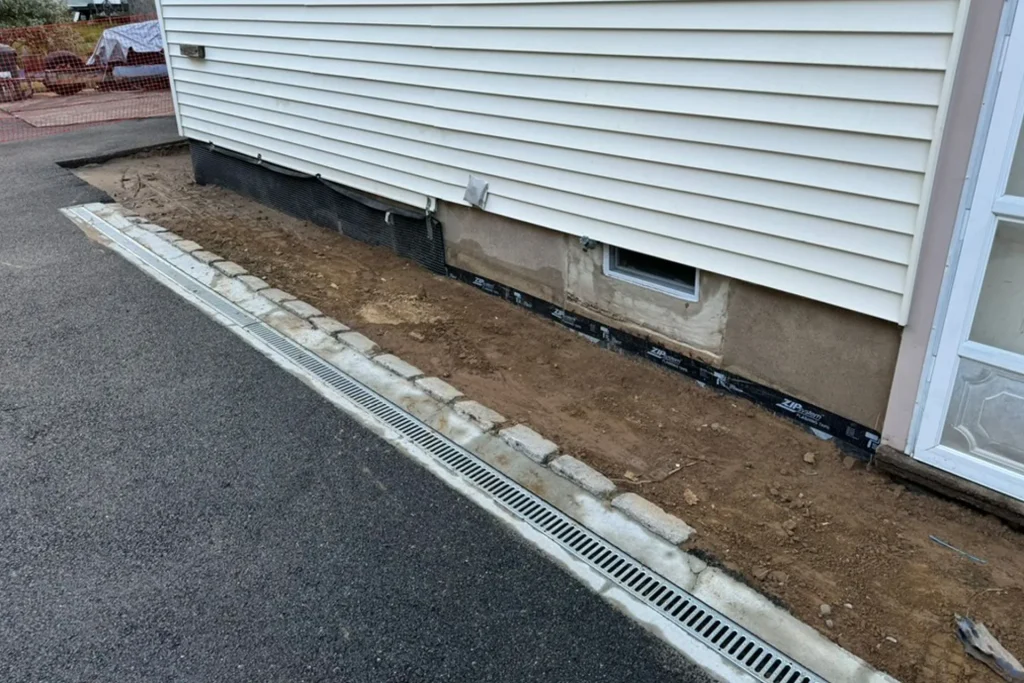
Exterior waterproofing is more sensitive to ground conditions. Excavation, membrane application, drainage board installation, and footing drain replacement usually go more smoothly when the soil is workable and the weather is relatively stable. Late spring, summer, and early fall are commonly the easiest windows.
Drainage corrections around the home, such as regrading, extending downspouts, or reshaping beds near the foundation, are also season-sensitive. You want soil that can be moved and compacted correctly, not mud that smears and settles later. The quality of the repair matters as much as the timing.
This is where homeowners can get tripped up by generic advice. A neighbor may tell you they had waterproofing done in January with no issue. That may be true, but if their project was an interior sump system and yours needs exterior excavation along a clay-heavy foundation wall, the comparison does not help much.
Warning signs that mean you should not wait for the “perfect” season
There are times when the calendar matters less than the urgency of the problem. If you are seeing active signs of water intrusion, the best time to schedule an inspection is now, even if the actual repair date lands a few weeks later.
Here are several signs that deserve prompt attention:
- Water is entering during rainstorms or snowmelt.
- You see white mineral deposits, peeling paint, or stained wall sections that keep returning.
- The basement smells persistently musty, especially near one area.
- Flooring, trim, or stored items show moisture damage.
- Cracks are widening, or previously dry cracks have started weeping.
These issues do not always mean a major structural problem, but they do mean moisture is finding a pathway into the basement or staying trapped there. Left alone, that moisture can damage finishes, encourage mold growth, and slowly degrade indoor air quality. In a finished basement, the hidden damage behind drywall or under flooring can become far more costly than the waterproofing repair itself.
Regional climate matters more than the month on the calendar
A homeowner in Minnesota and a homeowner in North Carolina should not use the same seasonal logic. Climate shifts the entire waterproofing conversation. In snowbelt regions, spring thaw can be the defining pressure point. In areas with frequent summer thunderstorms, midsummer may be the period when weak drainage systems fail. In places with expansive clay soils, seasonal swelling and shrinking can place extra stress on foundation walls and cracks.
That is why local experience matters. A contractor who understands regional soil behavior, drainage patterns, and weather swings will give better timing advice than a generic national article or a salesperson reading from a script. In some coastal areas, for example, high groundwater can keep pressure on the foundation almost year-round. In drier inland areas, the bigger concern may be short bursts of heavy rainfall overwhelming poor grading and clogged gutters.
When homeowners ask me for the ideal month, I usually redirect the question. The useful question is not “What month is best everywhere?” It is “What weather pattern usually exposes my house’s weakness, and how far ahead of that pattern can I get the work done?”
That framing leads to better decisions.
Scheduling ahead saves money and stress
One of the biggest mistakes homeowners make is assuming waterproofing can be handled like a routine cosmetic project. It often cannot. Good contractors book out. Municipal permits may be needed in some cases. Landscapes, patios, HVAC lines, utility markings, and access constraints can affect the schedule. If the basement is finished, interior demolition or furniture moving may need to be coordinated as well.
Emergency scheduling tends to cost more in indirect ways, even when the quoted project price is similar. You may need temporary cleanup, dehumidifiers, mold assessment, carpet removal, or storage relocation while you wait. If water intrusion damages mechanical systems or personal belongings, the financial gap between “planned repair” and “delayed repair” widens quickly.
A homeowner who starts the process in a calmer period has room to ask sharper questions. Is the recommendation addressing the source of the water, or only managing it after it enters? Does the proposal include discharge line protection in freezing weather? Will exterior grading settle and need follow-up? What kind of maintenance does the sump pump system require? These are the questions that separate a serviceable fix from a durable one.
How to decide when to book your project
If you are trying to choose a time without overthinking it, a practical rule works well. Schedule the inspection when the evidence is visible, and schedule the installation before the next season that is likely to stress the basement again.
That often looks like this:
| Situation | Best time to inspect | Best time to complete work | |---|---|---| | Leaks during snowmelt or spring rain | Late winter to spring | Spring to early summer | | Dampness appears after summer storms | During or right after storm season | Late summer to early fall | | Musty odor and humidity without visible leaks | Any time, preferably when symptoms are noticeable | Any time for interior work, mild-weather months for exterior work | | Known exterior drainage problems | Dry enough conditions for clear site evaluation | Late spring, summer, or early fall | | Finished basement with recurring moisture damage | Immediately | As soon as scope and access are confirmed |
This approach respects both diagnosis and execution. You want the contractor to understand the failure pattern, but you also want the work done in conditions that support quality installation.
A few judgment calls homeowners often overlook
Basement waterproofing is rarely only about the basement. Gutters, downspouts, yard slope, hardscape elevation, window wells, and sump discharge placement all influence the outcome. The best time of year may also be the best time to see these issues clearly. A yard that seems flat and harmless in dry weather may reveal low spots after one heavy rain. A discharge line that appears adequate in summer may freeze solid in winter because it was routed too shallow or too level.
Homeowners also tend to underestimate how much a finished basement complicates moisture problems. If drywall is already up, if carpet or vinyl flooring covers the slab, or if built-in storage lines the perimeter, minor seepage can remain hidden for months. In those cases, waiting for a dramatic event is the wrong strategy. Seasonal mustiness alone can justify a closer look.
There is also the resale question. If you know you may sell within the next year or two, handling Basement Waterproofing before listing is usually wiser than explaining stains, dehumidifiers, or a history of water issues to prospective buyers. Buyers notice basements quickly. So do inspectors.
The most practical answer
If your basement has shown signs of moisture but is not in crisis, aim to schedule your evaluation in late winter, spring, or early fall. Those periods tend to offer the best combination of visible evidence, workable conditions, and manageable contractor schedules. If your project will likely require exterior excavation, mild-weather months usually give the cleanest path to quality work. If the solution is interior, you have more flexibility, but earlier is still better than later.
If your basement is actively leaking, stop looking for the perfect season and start the process now.
Water has a way of turning a small oversight into a much larger repair. The best timing is not just about weather. It is about catching the problem while you still have options, before moisture damages finishes, air quality, or the foundation itself. For most homeowners, the smartest move is to schedule waterproofing before the next wet season arrives, not after it proves your basement has a problem.
ARD Waterproofing
98 Smull Ave, West Caldwell, NJ 07006, United States
+1 917-691-8411
FAQ About Basement Waterproofing
Can you 100% Waterproof a Basement in West Caldwell?
A properly designed system can substantially reduce basement water intrusion, but no method can promise protection against every flood, equipment failure, or future change in site conditions. The first step is identifying whether moisture comes from surface runoff, groundwater, plumbing, or condensation. Solutions may include grading and gutter improvements, drainage, foundation repairs, and a sump system. Review the specific coverage and exclusions of any written warranty.
How much does it cost to professionally waterproof a basement in NJ?
There is no single price that fits every basement. Cost depends on the cause of the leak, the area needing work, access, excavation requirements, drainage design, sump equipment, and restoration of disturbed finishes or landscaping. Request an on-site assessment and an itemized written estimate that explains the scope, exclusions, and maintenance requirements before comparing proposals.
How long does foundation waterproofing last in West Caldwell, NJ?
Service life varies with the waterproofing materials, installation quality, soil and water conditions, and maintenance. Drainage components and pumps may require servicing or replacement even when other parts of the system remain functional. Keep gutters, drainage outlets, and sump equipment maintained, and have recurring leaks or changes in foundation condition assessed. Ask for product-specific expectations and written warranty terms rather than relying on one lifespan for the entire system.